How to Store Wine in Malaysian Heat: No Cellar Needed
In a hot, humid Malaysian home, keep wine on its side in the coolest, darkest, steadiest spot you have, and use the fridge short term, because heat can cook a bottle. Still choosing? See our ranked guide to the best wine in Malaysia.
This guide shows how to store wine in a condo or flat, what to avoid, how to spot a bottle that got too hot, and how long an open bottle lasts. You do not need a cellar.
Key Takeaways
- Keep wine cool, dark and steady. Wine Folly puts the ideal at about 12 to 15 C and says short-term storage is fine while the room stays under 26.6 C. Wine Spectator and Which? draw lower lines, at 21 C and 20 C.
- Lay corked bottles on their side so the liquid stays against the cork.
- A household fridge works for the short term: days to weeks (Which?) or up to a couple of months (Wine Spectator). Which? calls it too cold for the long term, and Wine Spectator notes fridges are dry.
- Keep wine out of the kitchen, away from windows and out of the car.
- Opened bottles go in the fridge, red included. Two Wine Spectator answers give different windows, so taste before you pour for guests.
In This Guide
- What Heat Does to a Bottle of Wine
- What Temperature Suits Wine at Home?
- How to Store Wine at Home in Malaysia
- Where Not to Keep Your Wine
- How to Tell a Bottle Got Too Hot
- Open Bottles: How Long They Last
- Wines to Start a Short Shelf With
- Buying Wine and Getting It Delivered Across Malaysia
- Frequently Asked Questions
What Heat Does to a Bottle of Wine
Heat makes wine age faster and, past a point, cooks it, leaving the aromas and flavours flat. Wine Spectator says a wine that gets much hotter than 70 F (21 C) may get cooked.
Heat makes the liquid swell and push against the cork, or even seep past it. When that expansion and contraction repeats, oxygen can creep in and age the wine early. Sunlight is a second problem: Wine Spectator notes that UV rays can degrade wine and age it before its time.
Nobody can name the exact moment a good bottle turns bad. Wine Spectator says there is no formula for the tipping point, older wines are more fragile, and each cork reacts differently. MET Malaysia’s general wording for the country is uniform temperature, high humidity and copious rainfall. That is not a figure for your flat, but it is why we treat heat as the main storage problem here.
What Temperature Suits Wine at Home?
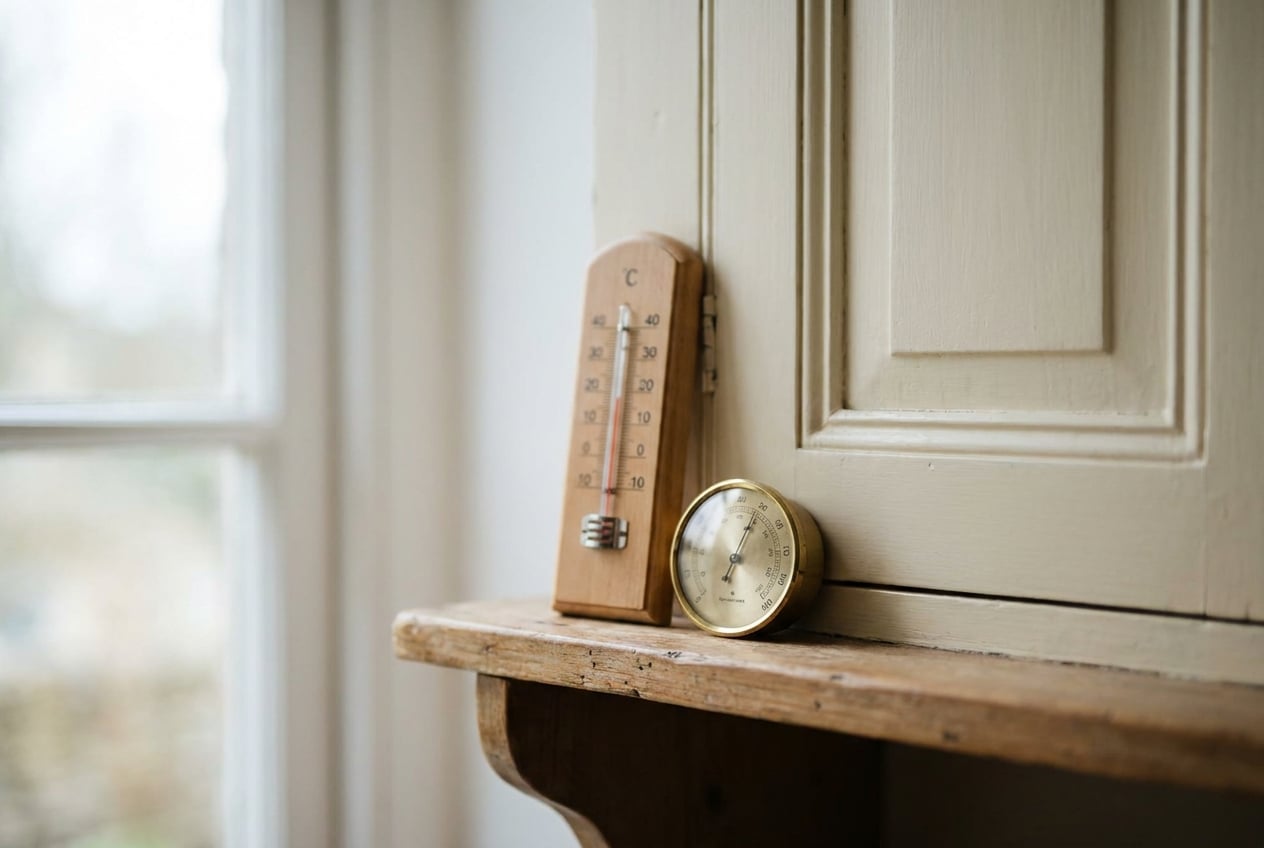
Wine Folly puts the ideal storage temperature at about 12 to 15 C (55 to 59 F), with humidity between 55 and 75%. Many homes here will run warmer than that, so the more useful number is the short-term limit: Wine Folly says storage is fine as long as the area never goes above 26.6 C (80 F).
| Source | Temperature | Humidity |
|---|---|---|
| Wine Folly | Ideal about 12 to 15 C. Short-term limit is higher (see above). | 55 to 75% |
| Wine Spectator | Above 21 C (70 F) ages wine faster than usually wanted. | 50 to 80% is considered safe |
| Which? | Long-term ideal about 13 C. Mid to short term 7 to 18 C. Trouble if it risks rising above 20 C. | 50 to 80%, with 70% the sweet spot |
The sources disagree slightly, so treat the ranges as a direction, not a pass mark. Wine Spectator stresses that a consistent temperature matters most.
MET Malaysia says night temperatures are usually between 21 and 24 C, at or just above the 21 C line. So the target for a flat here is the coolest steady spot, not a perfect number. We cannot give you a number of days a bottle survives at warm room temperature: no source we trust has one.
How to Store Wine at Home in Malaysia
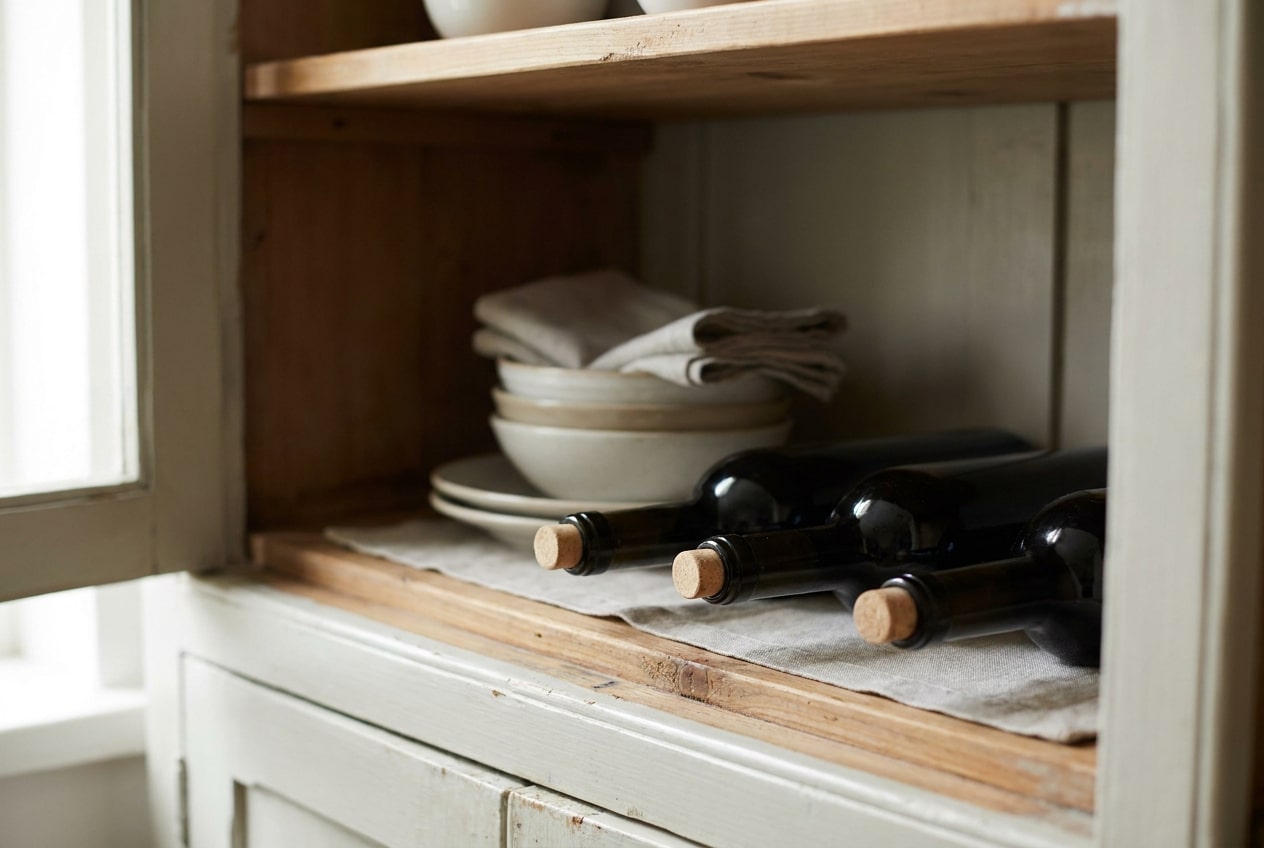
Seven habits cover most of it: pick the coolest dark spot, avoid heat sources, lay bottles down, keep the temperature steady, use the fridge for the short term, decide on a wine fridge, and buy only what you will drink soon. None needs a cellar.
Step 1: Find the Coolest, Darkest Spot You Have
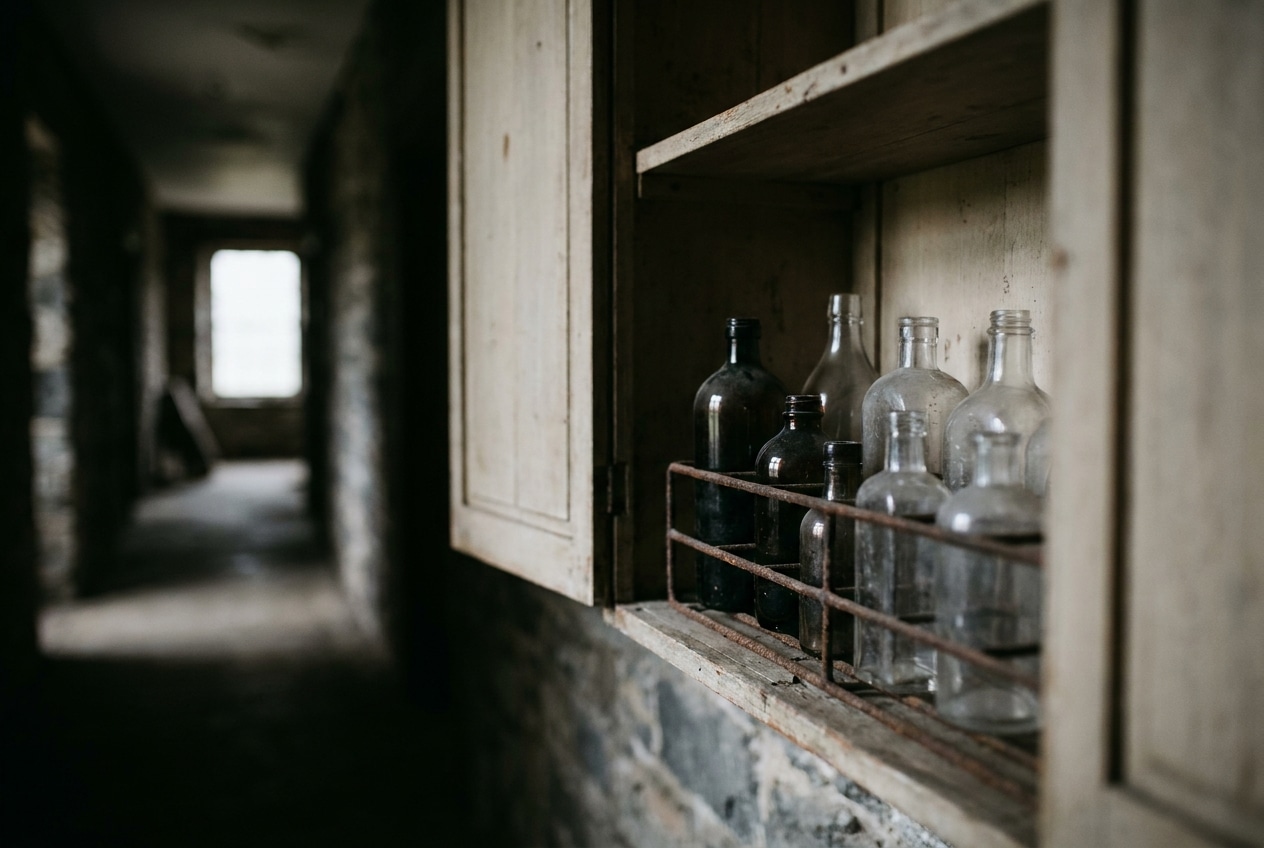
Ideal storage is cool and dark, with Wine Folly suggesting 12 to 15 C. In a condo, the practical answer is the room or cupboard that gets the least heat and the least light. Our advice, not a rule from a source: an interior room or a low cupboard on an inside wall usually beats anything near a window or an outside wall that bakes in the afternoon. Wine Spectator warns that UV light can degrade wine, and a closed cupboard also keeps light off the bottles. Put a cheap thermometer in the spot for a few days and see what it reads. If it stays under the short-term limit above, you are covered.
Step 2: Keep It Away From the Kitchen and Appliances
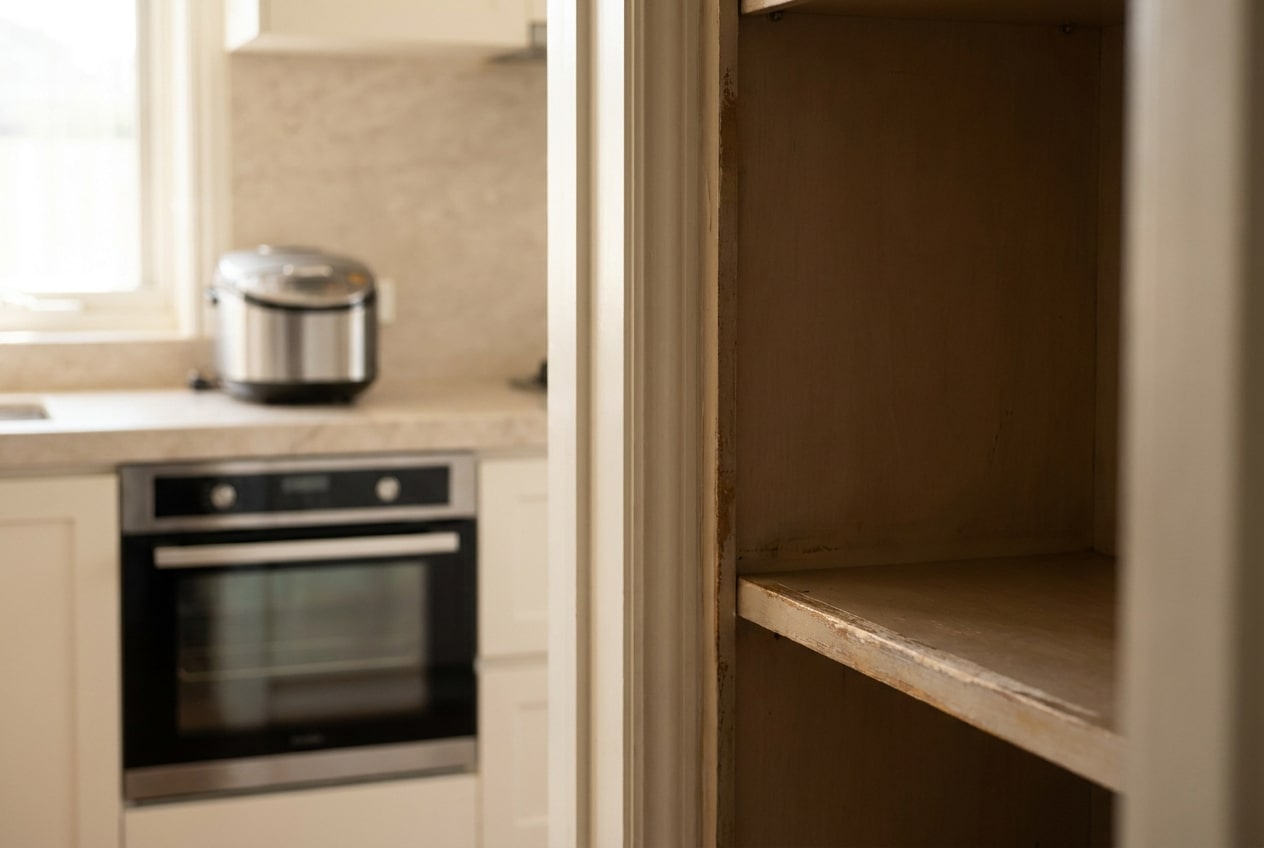
Wine Spectator says to rule out the kitchen, the laundry room and the boiler room, because heat there could affect the wine. In a Malaysian home that is easy to picture: the stove, the oven and the rice cooker all run in the kitchen. We would extend the same logic to anything that gives off warmth, such as the back of a fridge, a television cabinet or a router shelf. Wine Folly’s own comparison shows why warmth matters even without a heatwave: wine kept in a test closet built to mimic the temperature swings of a home closet lost antioxidants and colour four times faster than wine from a cellar.
Step 3: Lay Corked Bottles on Their Side
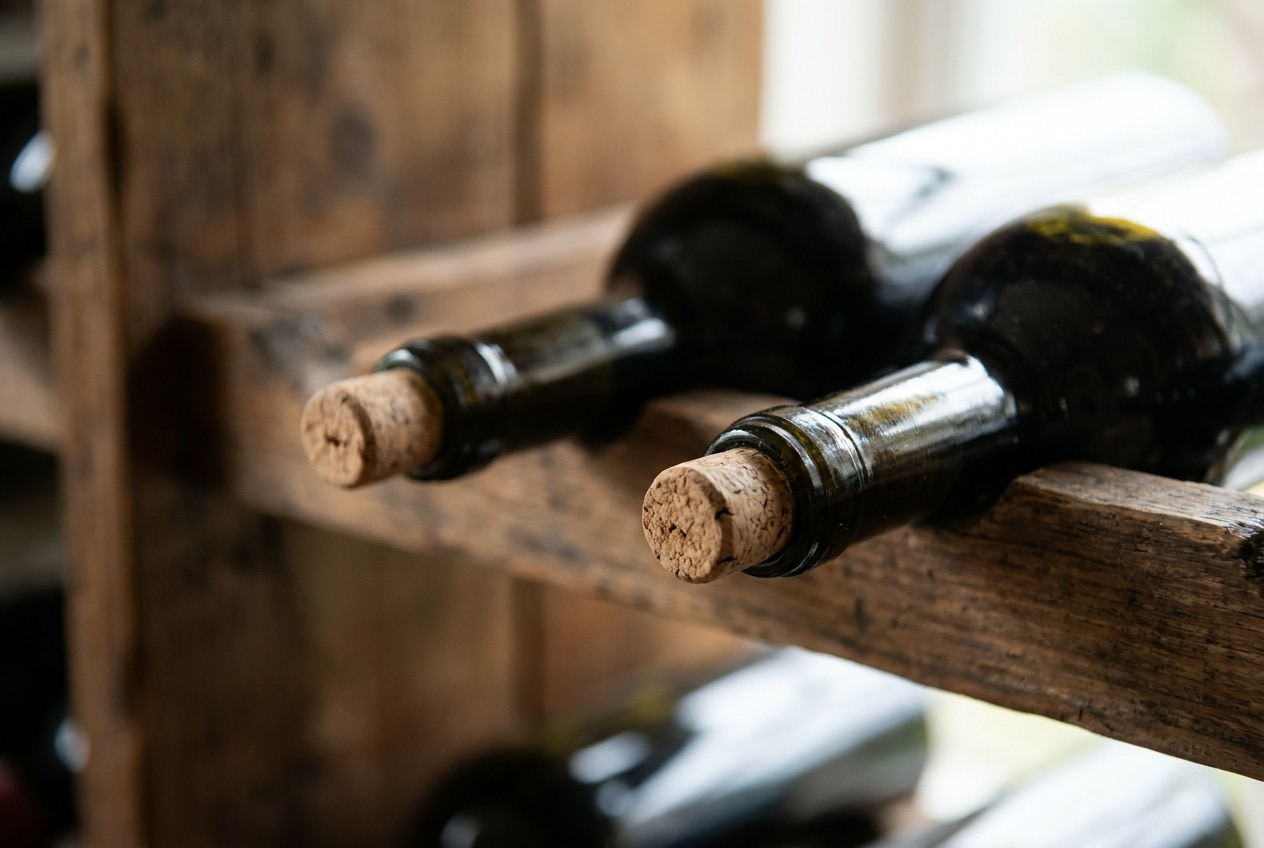
Wine Spectator notes that bottles are traditionally stored on their sides, so the liquid stays against the cork. Which? agrees: keep bottles horizontal, especially for long storage. A basic rack or a neat row on a cupboard floor both work. For bottles you will open within weeks this matters less, but it costs nothing. A screwcap has no cork to keep damp, so check the closure before you lay a bottle down. Lying flat also makes a steadier stack on a shelf, which helps in a flat where cupboard doors open and close all day.
Step 4: Aim for Steady, Not Just Cool
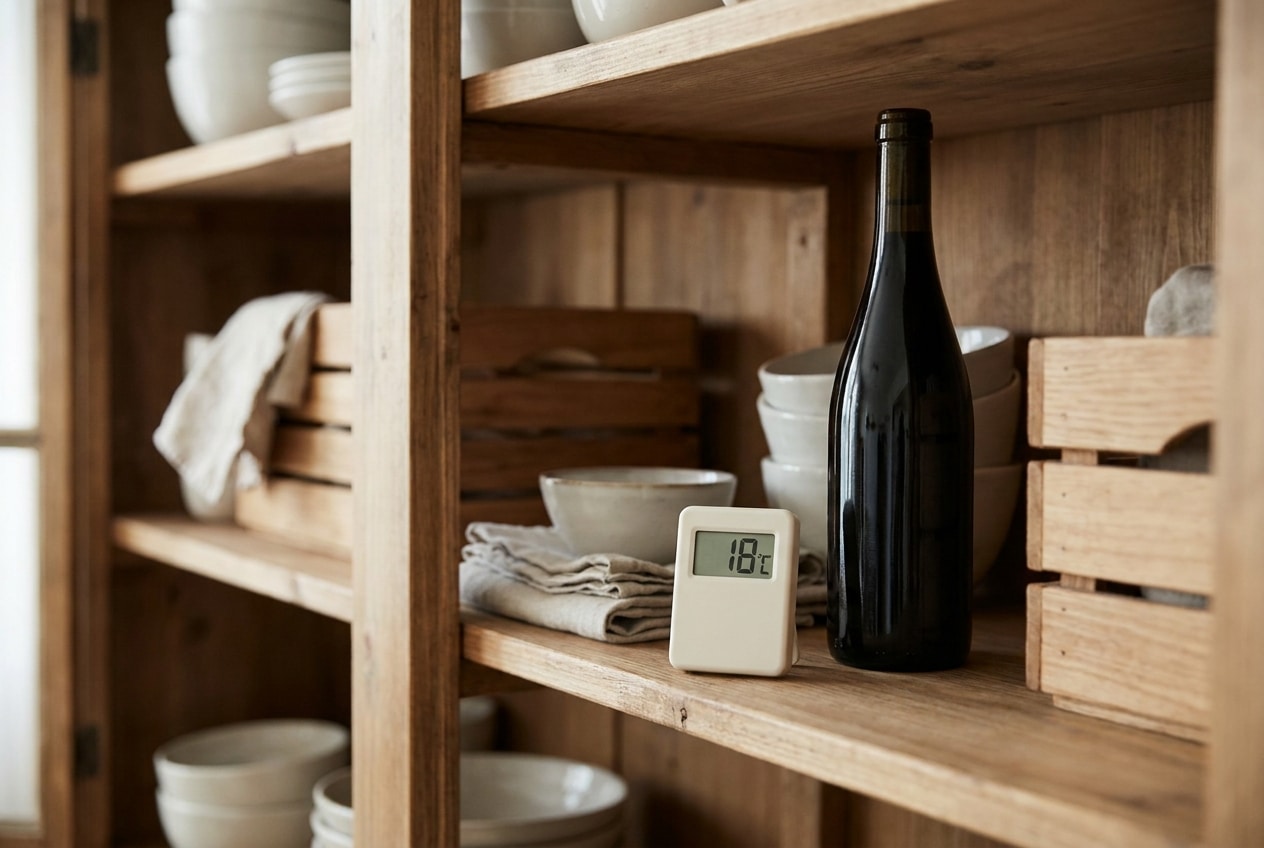
Wine Spectator says a consistent temperature is the most important part of storage, and Wine Folly makes the same point in its guide to wine faults. Repeated swings make the liquid expand and contract, which is the cycle that can let oxygen past the cork. Our reading of that: a cupboard that stays steady can be a safer bet than a cooler spot that swings every afternoon. A steady spot inside the short-term limit is boleh tahan for a few bottles you plan to drink soon. Check the spot at different times of day before you trust it.
Step 5: Use the Fridge for the Short Term
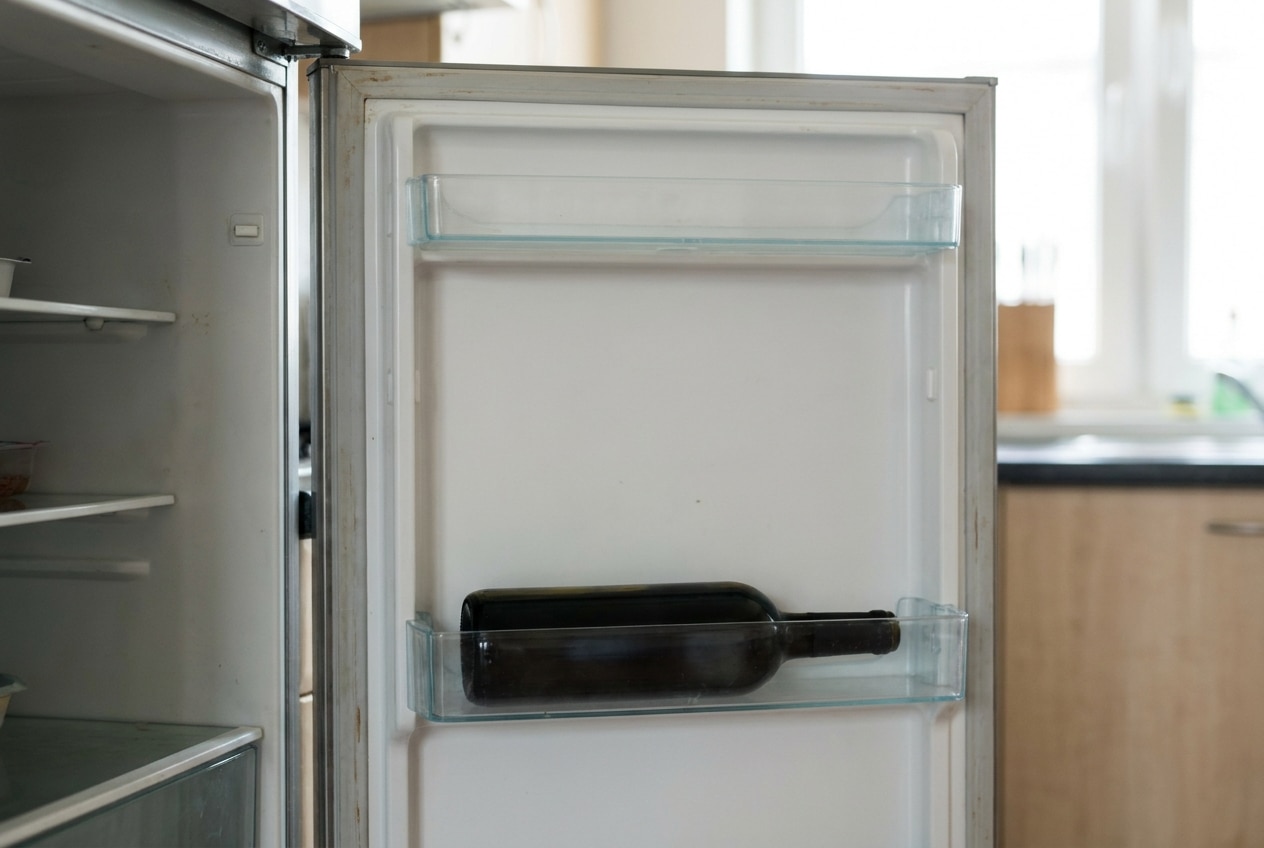
The two sources give different fridge windows, so we state them separately. Wine Spectator says a household fridge is fine for up to a couple of months. Which? says a few days or weeks in the fridge will not be a problem, but calls it too cold for long-term wine storage. The same publication also points out that refrigerators are quite dry, and a dried-out cork can compromise the seal and age the wine early. So use the fridge for bottles you will open soon, not as a permanent home. We would lay the bottle on a lower shelf, away from the door, so it stays steady and is not warmed every time the fridge opens.
Step 6: Decide Whether a Wine Fridge Is Worth It
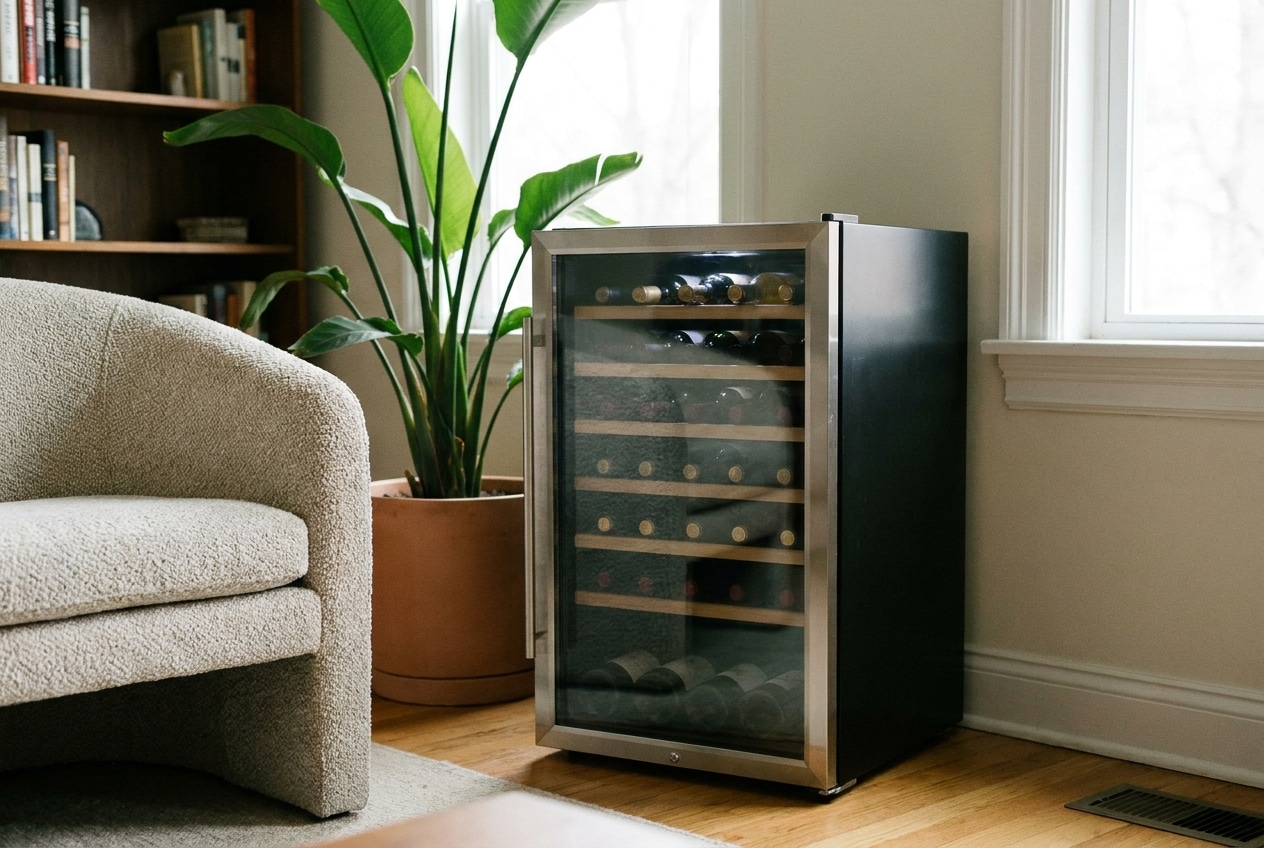
Wine Folly explains that a decent unit built for ageing needs a condenser and fan, and is a little loud. Thermoelectric units are good for the short term and quiet, but they fluctuate too much in temperature for long-term storage. Our advice: a dedicated cooler is worth weighing once you keep bottles for more than a few weeks. If you only keep a few bottles for year-end gatherings, the cupboard and the household fridge usually do the job. Where a cooler does make sense, match the type to the plan: a thermoelectric unit for a handful of bottles you will open soon, and a unit with a condenser and fan, built for ageing, only if you truly keep wine for months.
Step 7: Buy for the Next Few Weeks, Not the Next Few Years
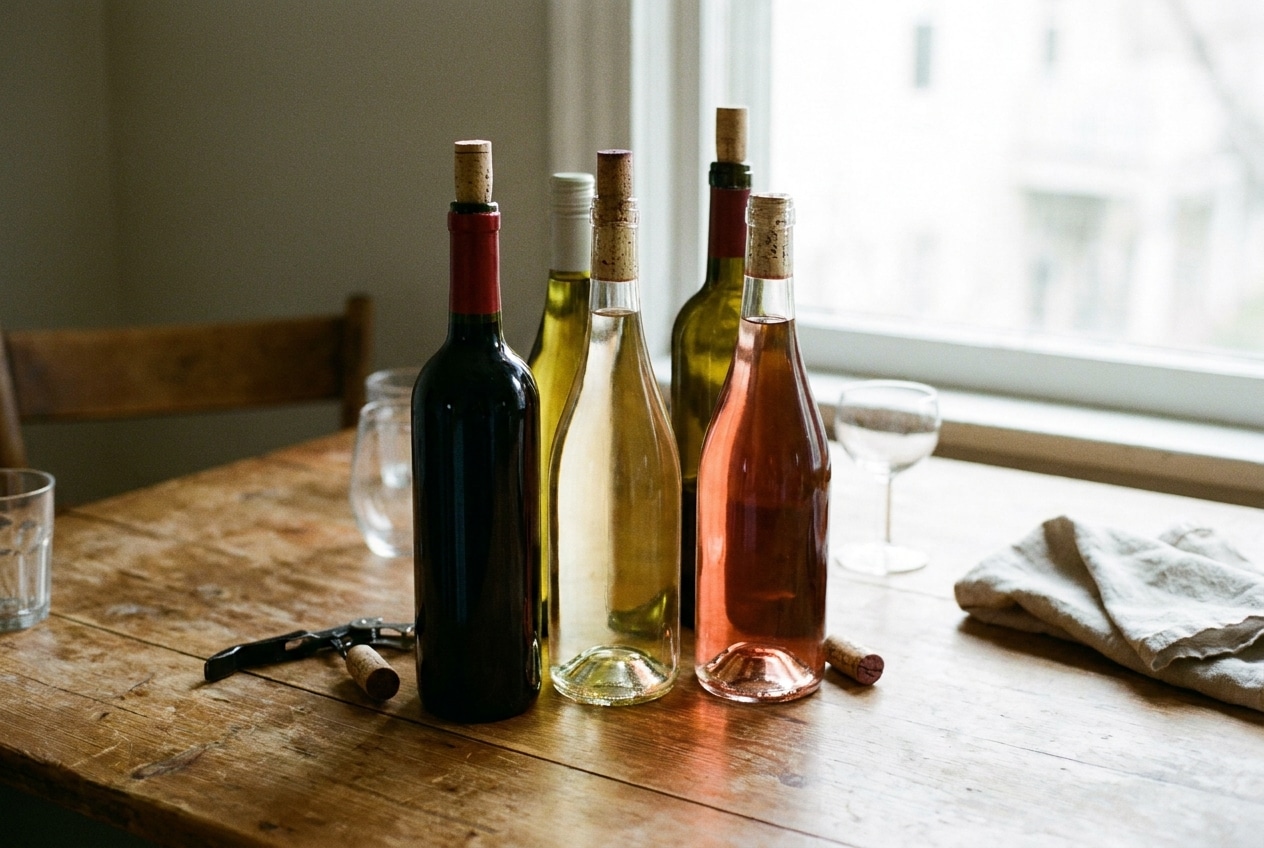
The easiest way to beat the heat is to not store wine for long at all. In a home without a cellar, we would buy the bottles you plan to drink in the coming weeks and keep the stock small. For the festive season that means a few reds and a bottle of sparkling, not a case. Rotate as you go: put the newest bottle at the back and open the oldest first, so nothing sits for months. Buying in small, regular rounds also means you can check each bottle for a pushed-out cork when it arrives.
Where Not to Keep Your Wine
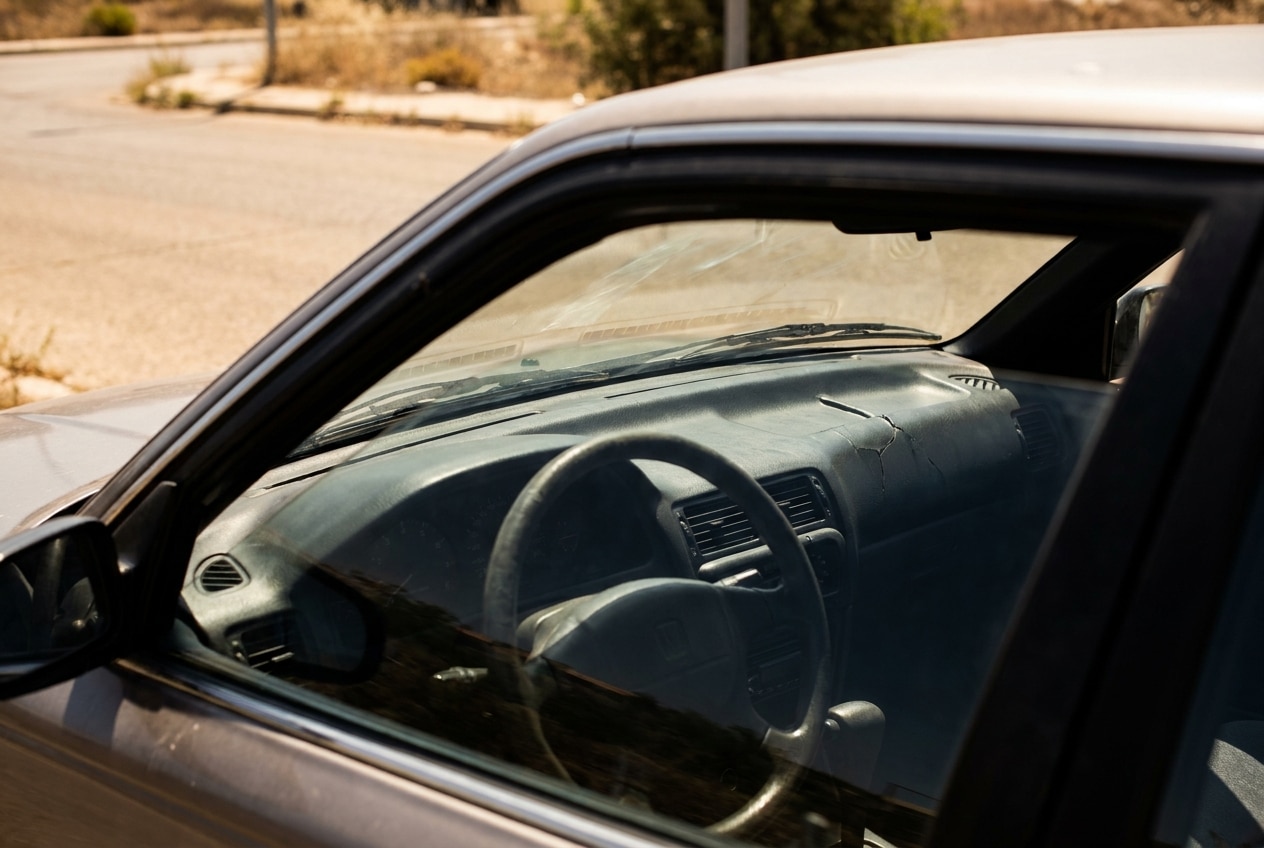
Keep wine out of the car, the kitchen, the laundry room and any spot with direct sun. The worst offender is the car: Wine Spectator, citing the CDC, says that when it is more than 80 F outside, a car interior can easily exceed 150 F (about 65 C, our conversion), and a full day at that heat is probably enough to cook wine.
| Spot | Good or bad | Why |
|---|---|---|
| Interior cupboard or room, away from windows | Good | Cooler and darker, in line with Wine Folly’s cool-and-dark ideal and the UV warning from Wine Spectator. |
| Kitchen | Bad | Wine Spectator says to rule it out, because heat there could affect wine. |
| Laundry room | Bad | Same warning as the kitchen. |
| Car | Bad | A full day at car-interior heat is probably enough to cook wine (Wine Spectator). |
| Window ledge or balcony | Bad | Sunlight is bad news for wine (Which?), and UV can age it early. The balcony is our own reasoning from the sun and heat facts. |
| Garage | Bad | Our own reasoning, not a sourced rule: a closed garage can trap heat, and heat is what damages wine. |
| Household fridge | OK for the short term | Short term only. Dry, and too cold for the long term (see Step 5). |
The garage and balcony rows are our own reasoning from the heat and sun facts, not a quote from a named source.
How to Tell a Bottle Got Too Hot
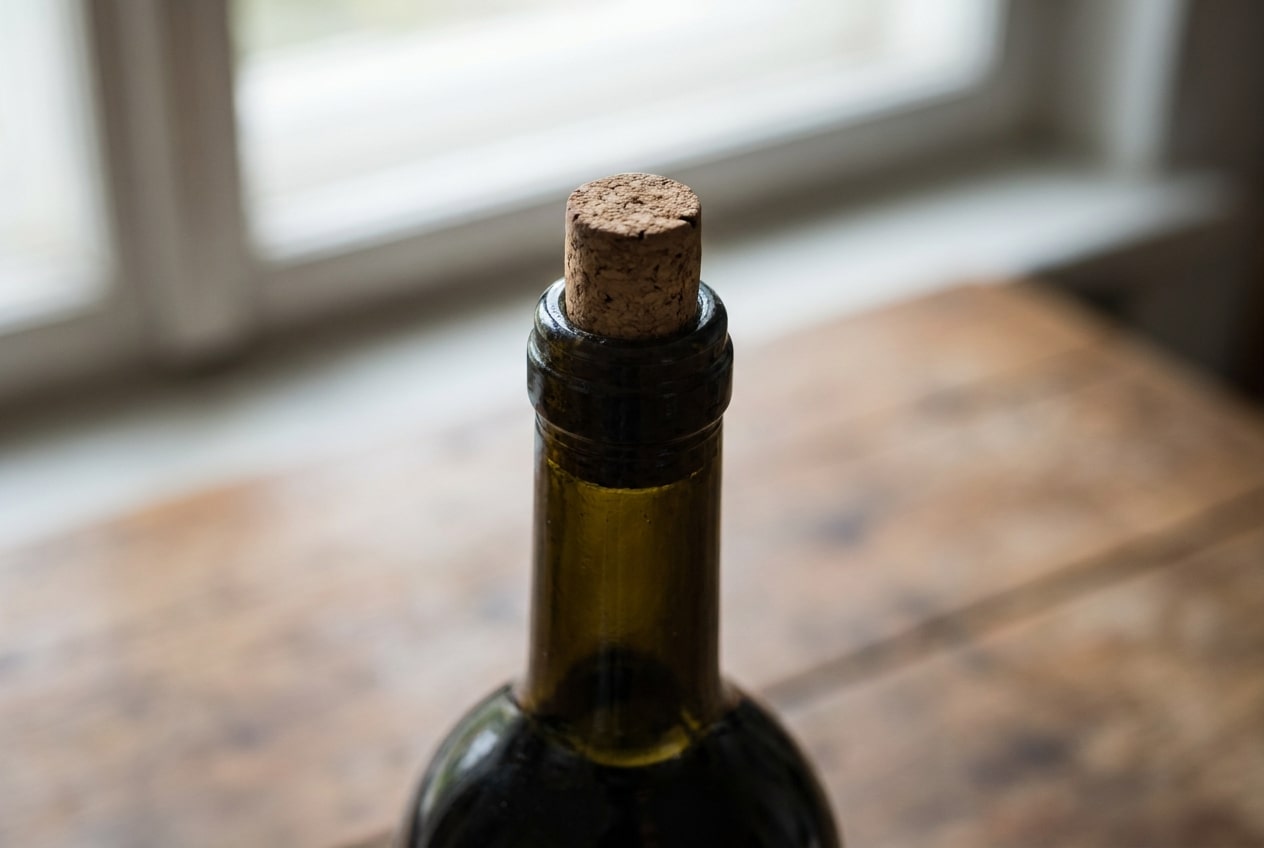
One sign of a heat-damaged bottle is a cork pushed out of the neck. Wine Folly explains that the expansion of heated air can push the cork out, and Wine Spectator lists a pushed-out cork, or sticky wine residue on the outside of the cork, as signs of heat damage.
Taste is the second clue. Wine Folly says a heat-damaged wine can smell jammy and sort of sweet, but processed, and Wine Spectator describes cooked wine as having flat aromas and flavours. Do not throw a bottle away on looks alone: Wine Spectator says some heat-affected wines are still enjoyable, and the only way to know for sure is to taste. Pour a small glass and smell it first. If it is flat, it has likely cooked.
Open Bottles: How Long They Last
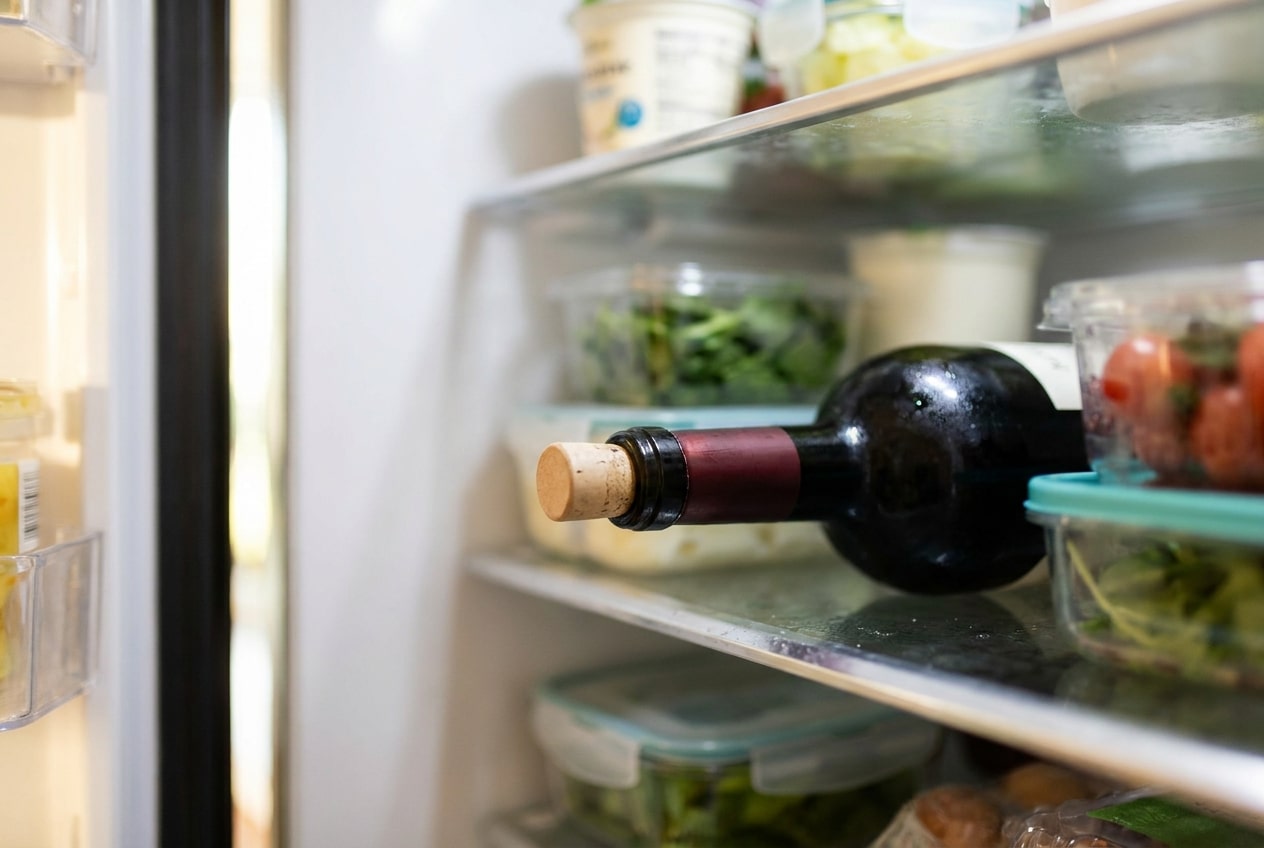
An opened bottle of red lasts a few days in the fridge, and the two Wine Spectator answers we found give different windows. Dr. Vinny says it usually tastes good for three to five days, possibly longer, and says to refrigerate it even for reds and to reseal it with the cork, a screwcap or a stopper. That answer adds that bolder, younger wines last longer than delicate ones.
A second Wine Spectator answer is more cautious: after a couple of days, a wine has often lost its charm in the fridge, though some people nurse an open bottle for a week or longer. The first says to refrigerate even a red, and the second recommends it for any colour.
- Reseal the bottle straight away with the cork, a screwcap or a stopper.
- Put it in the fridge, red included, rather than leaving it on the counter.
- Plan on a few days, and taste it before you pour for guests.
If whisky is on your shelf too, our guide to storing whisky in the Malaysian climate covers that side. For fizz, see our Champagne vs Prosecco comparison and our buyer’s guide to Champagne in Malaysia.
Wines to Start a Short Shelf With
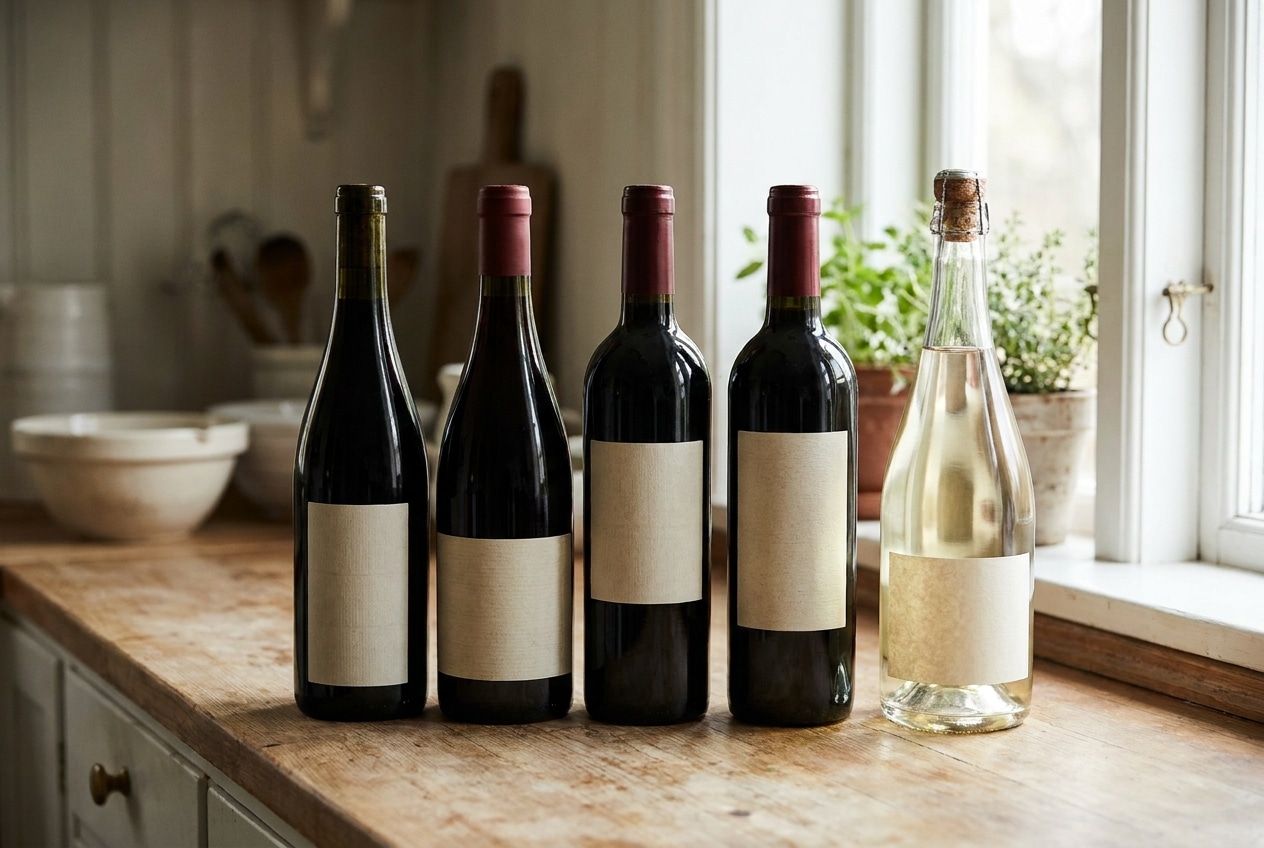
These five are our team’s picks to open in the coming weeks, in line with Step 7. Details such as tasting notes are on each product page, and the whole wine range has more options.
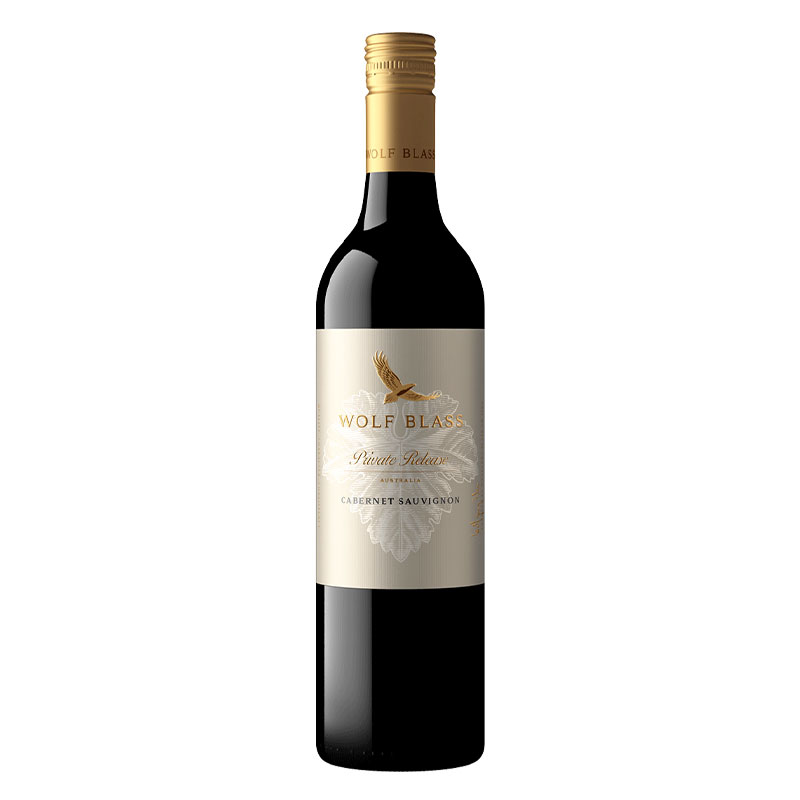
Wolf Blass Private Release Cabernet Sauvignon [750ML]. An Australian red from the Private Release range, which Wolf Blass describes as approachable, full of flavour and soft on the palate. Lamb is the match Wolf Blass names for Cabernet Sauvignon. Keep it in the cupboard from Step 1 and open it within a few weeks.
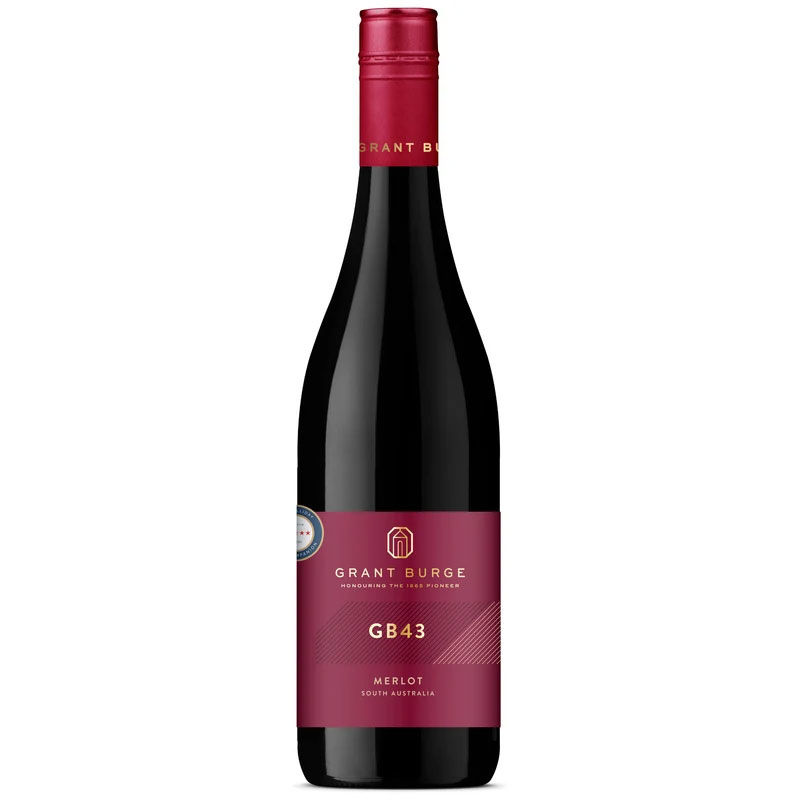
Grant Burge GB43 Merlot [750ML]. An Australian Merlot that retailer listings describe as fruit driven and made for drinking without years of cellaring. Keep it on its side in your steadiest spot, and if you do not finish it, the fridge and a stopper cover you for a few days.

CornerStone Cabernet Sauvignon Chile [750ML]. A Chilean Cabernet Sauvignon at 13.5% ABV. Pair it with the Wolf Blass above if you want two reds to compare with friends.

Penfolds Bin 138 Shiraz Grenache Mataro [750ML]. An Australian red blend of Shiraz, Grenache and Mataro in a Southern Rhone style, at 14.5% ABV. Save it for a dinner within the next few weeks rather than the back of the cupboard. See more from the Penfolds range.

Chandon Brut Imperial Sparkling Wine [750ML]. A sparkling wine at 11.5% ABV. Open it for the year-end toast rather than storing it for months. More in our sparkling wine collection.
Buying Wine and Getting It Delivered Across Malaysia
You can order what you need for the next few weeks on the order and delivery page. Order before 2 PM for same-day delivery to Kuala Lumpur, Petaling Jaya, Shah Alam, Subang Jaya, Klang and seven more nearby areas, Monday to Saturday except public holidays.
Klang Valley delivery: RM25 flat rate, same-day on orders placed and paid before 2PM on working days (excluding Sundays and public holidays). Beyond the Klang Valley: RM30 across Peninsular Malaysia, 2 to 5 working days. Free delivery on orders over RM1,250 within Peninsular Malaysia.
Authenticity: Every bottle is 100% genuine, original, and authentic, sourced directly from authorised distributors. Questions before you order? Message Joyce on WhatsApp at +60 16-956 2840, Monday to Saturday, 9AM to 5PM.
✓ 100% Genuine
Sourced from authorised distributors
✓ Same-Day Klang Valley Delivery
Order before 2PM on working days
✓ Trusted Since 2019
Authentic spirits, every order
Frequently Asked Questions
How long can wine survive in heat?
No trusted source gives a number, and Wine Spectator says there is no formula for the tipping point. Wine Folly says short-term storage is fine below its 80 F limit, and wine above 21 C ages faster. A full day in a hot car is probably enough to cook wine. Older wines are more fragile.
Is it necessary to keep wine in the fridge?
No, but the fridge helps in a hot home for the short term. Wine Spectator allows a longer stay than Which?, which says days or weeks are no problem but calls the fridge too cold for long-term storage. An opened bottle should go in the fridge, red included.
How long can I keep a bottle of red wine once opened?
The two Wine Spectator answers differ. Dr. Vinny says an opened red usually tastes good for three to five days in the fridge, possibly longer, with bolder, younger wines lasting longer. Another answer says a wine often loses its charm after about two days, though some people nurse a bottle for a week.
Can you save half a bottle of wine?
Yes. Reseal the bottle with its cork, a screwcap or a stopper, and put it in the fridge, even if it is red. A Wine Spectator answer recommends refrigerating an open bottle of any colour. Expect a few days of good drinking, and taste it before you pour for guests.
Should wine bottles be stored on their side?
Yes, corked bottles are best stored on their sides. Wine Spectator says this is the traditional way because it keeps the liquid against the cork, and Which? advises keeping bottles horizontal, especially for long storage. If you plan to open the bottle within a few weeks the position matters less, and a screwcap has no cork to keep damp. Either way, keep it in a cool, dark spot away from direct sun.
How do I know if wine has been damaged by heat?
Look for a cork pushed out of the neck or sticky residue on the outside of the cork. Wine Spectator lists both as signs of heat damage, and Wine Folly says heat-damaged wine can smell jammy and sweet, but processed. Cooked wine tastes flat, so taste a small amount before you decide.
Sources
- Wine Folly, Wine Storage Temperature: Best Practices: temperature, humidity, coolers.
- Wine Folly, 7 Common Wine Faults: heat damage, cork.
- Wine Spectator, So you bought some wine: 21 C, UV, fridge.
- Wine Spectator, Why does a wine cellar need to be humid?: steady temperature.
- Wine Spectator, I left my wine in a hot car: car heat, cork signs.
- Wine Spectator, Just how quickly do wines get ruined by heat?: heat tipping point.
- Wine Spectator, How long does an open bottle of red wine keep?: open bottles.
- Wine Spectator, Should I refrigerate an open bottle of wine?: open bottles.
- Which?, Five top tips for storing wine at home: ranges, fridge.
- MET Malaysia, Climate of Malaysia: climate.
Sources checked 3 November 2026.
Last updated November 2026.
Disclaimer: The content of this article is provided for general informational purposes only and does not constitute legal, health, or professional advice. Product details are subject to change without notice. Nothing in this article should be read as a health or medical claim about any product. Please drink responsibly.
Alcohol is sold strictly to non-Muslim customers aged 21 and above, for delivery within West Malaysia (Peninsular Malaysia) only.