Baijiu & Chinese Spirits 101
Baijiu is China’s national spirit, a clear grain liquor usually 35% to 60% ABV, brewed from sorghum (and sometimes rice, wheat, or corn) with a fermentation starter called qu, then distilled and aged in clay jars. If you have only ever met it through a shot glass at a wedding banquet, this guide is the deeper dive: what baijiu actually is, the four aroma families that decide how it tastes, how it is made, how to drink it properly, and where the rest of the Chinese spirits shelf (from our full Bai Jiu / Kao Liang range) fits in.
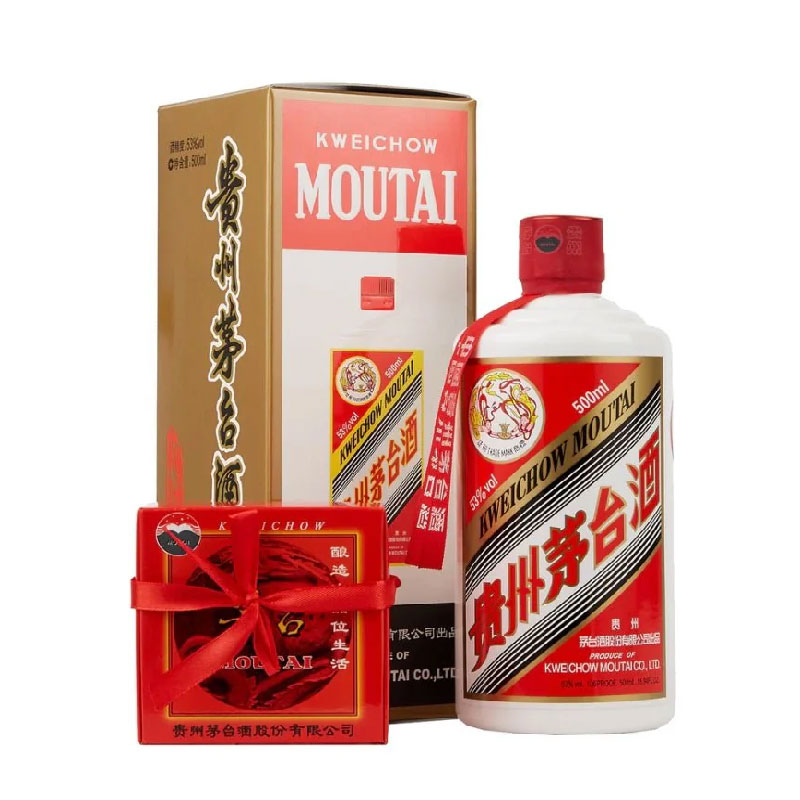
We wrote this because the Chinese-community crowd in KL and the Klang Valley grew up around baijiu at family dinners but rarely gets an English-language explainer that treats it seriously, and because plenty of curious newcomers just want to know what they are drinking before they order a bottle. 酒先生 (that is us, Mr. Chow) stocks Kweichow Moutai and Kinmen Kaoliang, both 100% genuine and sourced from authorised distributors, with same-day delivery across the Klang Valley on orders placed before 2PM.
Key Takeaways
- Baijiu is a clear, grain-based Chinese spirit, typically 35 to 60% ABV, made from sorghum with a fermentation starter called qu.
- Four main aroma families define most bottles: strong (nong xiang), light (qing xiang), sauce (jiang xiang, Moutai’s style), and rice (mi xiang).
- Serve neat in small glasses at room temperature, and expect a toasting culture built around “gan bei” (bottoms up).
- Beyond baijiu, Chinese-adjacent spirits worth knowing include kaoliang (Taiwan’s sorghum liquor) and huangjiu (a rice wine, not a distilled spirit).
- Every bottle at Mr. Chow is 100% genuine and sourced from authorised distributors, with same-day KL delivery before 2PM.
In This Guide
- What Exactly Is Baijiu, and Why Does It Taste So Different?
- The Four Aroma Families That Define Every Bottle
- How Baijiu Actually Gets Made, From Sorghum to Bottle
- Serving Baijiu the Right Way: Glass, Temperature, Toasts
- Reading a Baijiu Label Like a Pro
- Beyond Baijiu: Other Chinese Spirits Worth Trying
- Baijiu Glossary: Terms You’ll Actually Use
- Where to Start If You’re New to Baijiu
- Frequently Asked Questions
What Exactly Is Baijiu, and Why Does It Taste So Different?
Baijiu (literally “white liquor”) is China’s most consumed spirit category by volume, and it has been made for well over a thousand years using solid-state fermentation, a technique almost nobody else in the world uses. Instead of fermenting a liquid mash like whisky or vodka, baijiu producers ferment a solid mixture of grain and qu (a brick of wheat, barley, or peas inoculated with wild yeasts, bacteria, and mould) in earthen pits or clay jars, sometimes for months at a time.
That wild, uncontrolled fermentation is exactly why baijiu tastes so unlike anything on a Scotch or gin shelf. Depending on the qu, the grain, the region, and the pit, you can get anything from a clean, floral spirit to something dense, savoury, and almost soy-sauce funky. This is also why the aroma family matters more for baijiu than for almost any other spirit category: two bottles both called “baijiu” can taste completely different, and knowing which family you are holding tells you what to expect before the glass even reaches your nose.
The Four Aroma Families That Define Every Bottle
Chinese producers classify baijiu by aroma (xiang xing), not by grain or region the way whisky is classified. There are technically a dozen recognised categories, but four cover the vast majority of what you will actually find on a shelf in Malaysia.
| Aroma family | Chinese name | What it tastes like | Example |
|---|---|---|---|
| Sauce aroma | Jiang xiang | Deep, savoury, almost soy-sauce and dried fruit, long finish | Kweichow Moutai |
| Strong aroma | Nong xiang | Sweet, fruity, and pungent, the most widely produced style in China | Wuliangye, Luzhou Laojiao |
| Light aroma | Qing xiang | Clean, dry, subtle, closest to a neutral grain spirit | Fen Chiew-style baijiu |
| Rice aroma | Mi xiang | Soft, mellow, lightly sweet, made mostly from rice rather than sorghum | Guilin Sanhua-style baijiu |
Kaoliang, the sorghum liquor most associated with Kinmen (Taiwan), usually sits closest to the strong or light aroma families depending on the distillery, and it is dry, punchy, and a little sharper on the nose than a sauce-aroma bottle. If you are new to the category, boleh tahan is the honest reaction most first-timers have to sauce aroma baijiu: it is not for the faint-hearted, but it grows on you fast once you understand what you are tasting.
How Baijiu Actually Gets Made, From Sorghum to Bottle
The process starts with qu, the fermentation starter, which is made by crushing grain (usually wheat) into bricks, inoculating them with naturally occurring microorganisms, and letting them cure for weeks in a warm, humid room. This qu is what gives each distillery its signature, the way a sourdough starter gives a bakery its own flavour, and no two distilleries’ qu are quite the same.
Sorghum grain is steamed, mixed with the qu, and packed into pits dug into the ground or into clay jars, where it ferments as a solid mash for weeks or months, not days. It is then distilled, often multiple times across several rounds (Moutai famously goes through nine rounds of steaming and fermentation over roughly a year before ageing even starts), and aged in ceramic jars rather than oak barrels. That is a genuine point of difference from whisky or cognac: baijiu does not pick up vanilla or oak character from wood, its complexity comes entirely from fermentation and blending.
Before bottling, master blenders combine liquor from different batches, ages, and even different pits to hit a consistent house style. This is closer to how a Champagne house blends across vintages than how a single malt distillery bottles from one cask, and it is a big part of why premium baijiu commands the prices it does.
Serving Baijiu the Right Way: Glass, Temperature, Toasts
Baijiu is almost always served neat, in small glasses (think shot-glass size, not a whisky tumbler), because the ABV and intensity are built for sipping in small measures rather than long pours. Room temperature is standard for most styles; you are not chilling it and you are not adding ice, which would mute the aroma that the whole category is built around.
What really sets baijiu apart is the toasting culture around it. At a Chinese banquet table, “gan bei” (dry the glass, essentially bottoms up) is not a suggestion, it is the whole point of the toast, and refusing one can read as a bit awkward if you do not have a graceful way to decline (sipping instead of downing it, and explaining why, is completely acceptable if you say so upfront). Toasts usually move around the table by seniority, and it is steady practice to toast your elders or the host first. If you are hosting your own table, having a bottle of Moutai or a Kaoliang on hand signals you have done your homework, and it is a real conversation starter with Chinese-speaking guests who grew up with it.
Reading a Baijiu Label Like a Pro
A few things to check before you buy, whether you are shopping online or in person:
- ABV: most baijiu sits between 38% and 53%. Moutai’s flagship “Flying Fairy” bottling is 53%, which is a genuine strength cue, not marketing.
- Aroma family: look for jiang xiang (sauce), nong xiang (strong), qing xiang (light), or mi xiang (rice) printed on the label or in the product description; it tells you more about the taste than the brand name alone.
- Vintage or batch year: premium bottles, especially Moutai, often reference the year of release. This is not the same as a whisky age statement, since baijiu is blended across batches, but it still matters for collectors.
- Bottle size: 500ml is the most common format for gifting and banquet use; 600ml and 1000ml formats show up more with Kaoliang.
Beyond Baijiu: Other Chinese Spirits Worth Trying
“Baijiu” is really an umbrella term, and once you are past the basics there are a few related spirits and styles worth knowing.
Kweichow Moutai is the name most people mean when they say “Chinese wine” in casual conversation, even though it is a distilled spirit, not a wine at all. It is the reference-point sauce-aroma baijiu, produced in Guizhou province, and it anchors nearly every serious Chinese banquet table. We carry the Kweichow Moutai Flying Fairy 53% [500ML], our flagship bottle in stock, along with several other Moutai expressions across different price points (some currently out of stock; we restock regularly, so check back or ask Joyce).
Tasting Notes: Kweichow Moutai Flying Fairy 53%
Nose: Savoury, almost soy-sauce, with dried fruit and a faint mustiness that softens with air.
Palate: Dense and warming, with roasted grain, umami depth, and a slight sweetness underneath.
Finish: Long, dry, and lingering, the signature trait of a genuine sauce-aroma bottle.
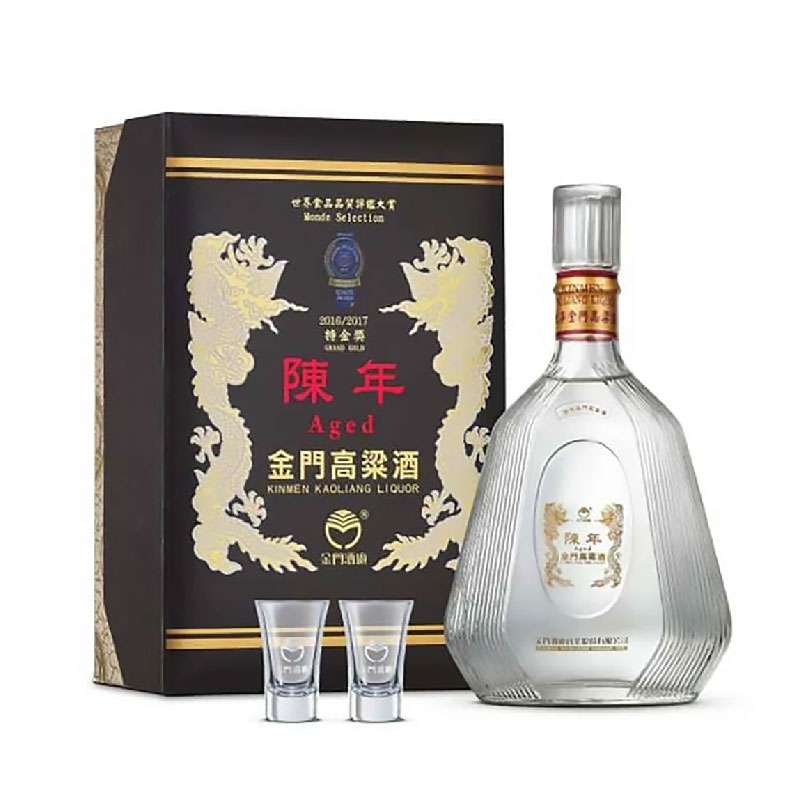
Kaoliang is the sorghum spirit most associated with Kinmen island in Taiwan, historically a Chinese-diaspora staple across Southeast Asia and a common pour at Chinese-Malaysian weddings and reunion dinners. It is generally drier and more assertive than Moutai, closer to the strong or light aroma families. Our KinMen KaoLiang Liquor 56% [600ML] is a solid, reliable entry point if Moutai’s price point is out of reach for a casual dinner.
Tasting Notes: KinMen KaoLiang Liquor 56%
Nose: Clean and grainy, sharper and more direct than sauce-aroma baijiu.
Palate: Dry, peppery, with a straightforward sorghum character and noticeable heat.
Finish: Short to medium, brisk, and clean, built for repeated small pours at a banquet table.
Huangjiu is worth knowing even though it is not a baijiu at all: it is a fermented rice wine, lower in ABV (usually 8 to 20%), amber in colour, and closer in spirit to sake or sherry than to a distilled spirit. It is not currently in our catalogue, but it regularly shows up in the same conversation as baijiu, so it is worth knowing the distinction if you are shiok about exploring the wider category.
Baijiu Glossary: Terms You’ll Actually Use
- Baijiu: “White liquor”, the umbrella term for China’s clear grain spirits.
- Qu: The fermentation starter (grain inoculated with wild yeasts, bacteria, and mould) that gives each distillery its house character.
- Jiang xiang: Sauce aroma, the savoury, dense style Moutai is known for.
- Nong xiang: Strong aroma, sweet and fruity, the most widely produced style.
- Qing xiang: Light aroma, clean and subtle.
- Mi xiang: Rice aroma, soft and mellow, made mostly from rice.
- Kaoliang: Sorghum liquor associated with Kinmen, Taiwan.
- Huangjiu: A fermented (not distilled) Chinese rice wine, lower ABV than baijiu.
- Gan bei: “Dry the glass”, the toast that drives banquet-table drinking culture.
Where to Start If You’re New to Baijiu
If this is your first bottle, start with a sauce-aroma Moutai in a small format and taste it neat before you judge it, the finish is where the style earns its reputation. If you want a gentler, drier introduction, the Kaoliang is more approachable and works well as a banquet pour for a bigger group.
For the full price breakdown across every Moutai expression we carry, including out-of-stock listings and what drives the price gap between them, see our Moutai Price in Malaysia: Baijiu & Kaoliang Guide. If you want to see how baijiu sits alongside soju, sake, and other Asian spirits, our Spirits of the East guide is a good next read. And if you would rather browse the shelf directly, our full Kweichow Moutai brand page lists every expression we currently stock.
Klang Valley delivery: RM25 flat rate, same-day on orders placed and paid before 2PM on working days (excluding Sundays and public holidays). Beyond the Klang Valley: RM30 across Peninsular Malaysia, 2 to 5 working days. Free delivery on orders over RM1,250 within Peninsular Malaysia.
Authenticity: Every bottle is 100% genuine, original, and authentic, sourced directly from authorised distributors. Questions before you order? Message Joyce on WhatsApp at +60 16-9562 840, Monday to Saturday, 9AM to 5PM.
✓ 100% Genuine
Sourced from authorised distributors
✓ Same-Day KL Delivery
Order before 2PM on working days
✓ Trusted Since 2019
Authentic spirits, every order
Frequently Asked Questions
Is baijiu the same thing as Chinese wine?
No. Baijiu is a distilled grain spirit, typically 35 to 60% ABV, not a wine. People sometimes call Moutai “Chinese wine” in casual conversation, but it belongs in the same category as whisky or vodka, not with grape or rice wine.
What’s the difference between baijiu and kaoliang?
Kaoliang is a specific style of baijiu made primarily from sorghum, most associated with Kinmen, Taiwan. All kaoliang is baijiu, but not all baijiu is kaoliang; kaoliang tends to be drier and more direct than a sauce-aroma bottle like Moutai.
How should I drink baijiu for the first time?
Neat, in a small glass, at room temperature. Take a small sip rather than a full “gan bei” pour until you know how you react to the ABV and the aroma family. Sauce-aroma bottles like Moutai reveal more character with a slower sip.
Why is Moutai so expensive compared to other baijiu?
Moutai’s production cycle takes roughly a year with nine rounds of steaming and fermentation, followed by years of ageing and blending across batches before release. That extended process, plus strong brand demand across China, keeps prices well above most other baijiu on the shelf.
Can I buy baijiu online in Malaysia?
Yes. Non-Muslims aged 21 and over can legally buy baijiu and other spirits online in Malaysia. Mr. Chow delivers same-day across the Klang Valley on orders placed before 2PM, and within 2 to 5 working days across the rest of Peninsular Malaysia.
What is the legal drinking age to buy baijiu in Malaysia?
The legal drinking age in Malaysia is 21. This applies to non-Muslim adults purchasing, receiving, or consuming alcohol in Peninsular Malaysia.
Sources
- Kweichow Moutai official site: substantiates the sauce-aroma production process, ageing, and blending cycle described in the “How It’s Made” section.
- Difford’s Guide: substantiates general spirit-category serving conventions referenced in the “How to Drink” section.
Disclaimer: The content of this article is provided for general informational purposes only and does not constitute legal, health, or professional advice. Alcohol is sold strictly to non-Muslim customers aged 21 and above, for delivery within West Malaysia (Peninsular Malaysia) only. Prices, availability, and bottling details are subject to change without notice. Nothing in this article should be read as a health or medical claim about any product. Please drink responsibly.